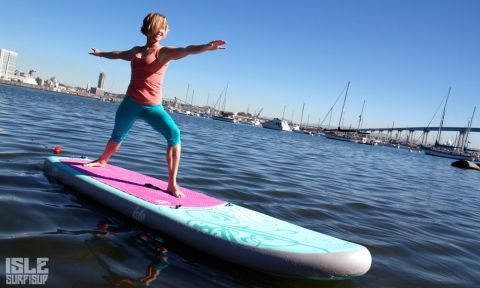
10 SUP Yoga Poses for Everyone
If you love Yoga it’s likely you’ve heard of or have practiced on a stand up paddle board. Take a look at these 10 SUP Yoga poses that anyone can do.
- Published in Tips

If you love Yoga it’s likely you’ve heard of or have practiced on a stand up paddle board. Take a look at these 10 SUP Yoga poses that anyone can do.

There are several mistakes that can seriously undermine or completely ruin your stand up paddleboard (SUP) event. Sometimes these mistakes are not apparent in the first year or years of the event, but eventually catch up and can bring it to a complete halt. With several years of SUP event organizing on the record, there are now some clear patterns and pitfalls that plague events, large and small. Here are some of the top mistakes to avoid.

Getting your much-needed vitamin D while paddle boarding is one of the perks of being on the water though it’s important to take note that too much sun exposure can be harmful and cause problems down the road. To avoid getting too much sun while paddle boarding we’ve teamed up with dermatologist Rebecca Shpall, MD to get you a list of what you can do.
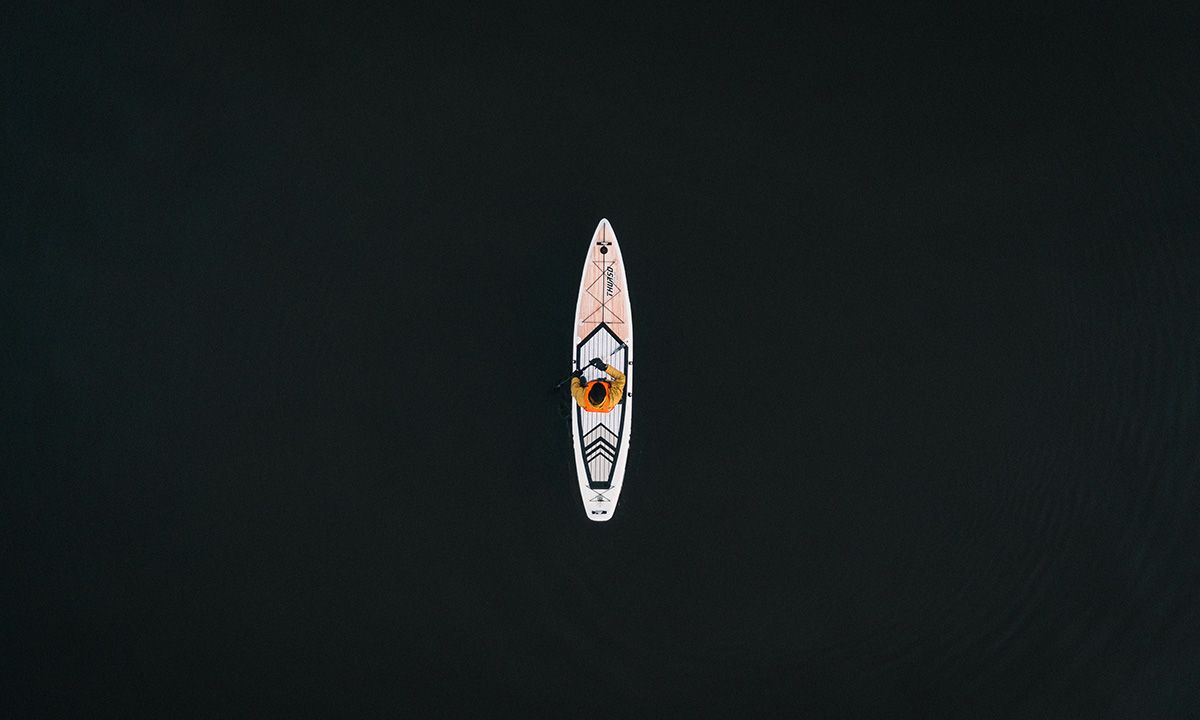
SUP athletes are usually keen on honing their endurance, strength, and ability to battle stress. Did you know that the superfood, moringa, can help you achieve these aims?
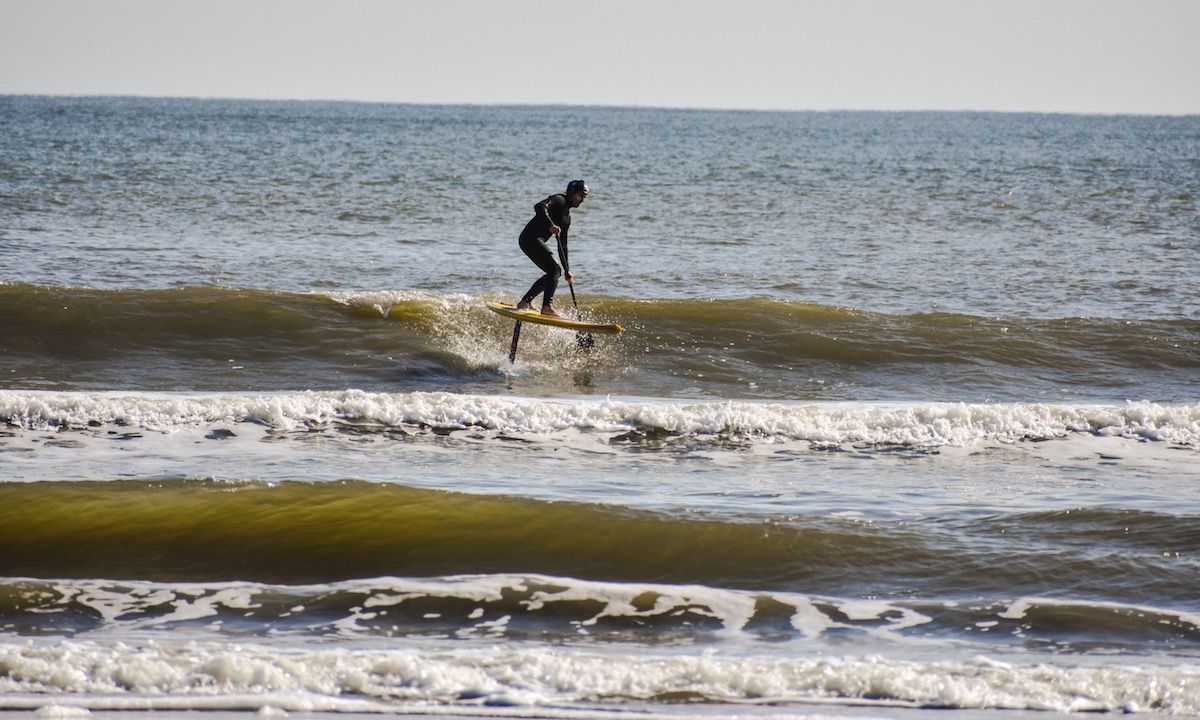
The sensation of your board hovering over the water as you shoot down the line on a wave is amazing! With so many different foil brands, wing sizes and mast sizes, how in the world are you supposed to choose the right one? And once you do how can you make sure it will fit onto the board you have?

Professional and competitive stand-up paddle boarders don’t make it to the top of the sport on skills alone. It requires a lot of hard training to harness these skills and an increased amount of attention to diets. In order to achieve good balance on your board, it is important that you have a good balance of nutrition when you’re off the board.

Inflatables are an awesome choice for stand up paddling and even have quite a few advantages over their hard board counterparts. We've teamed up with a few inflatable lovers to get you a list of the Top Reasons of why you must have an inflatable in your SUP quiver.
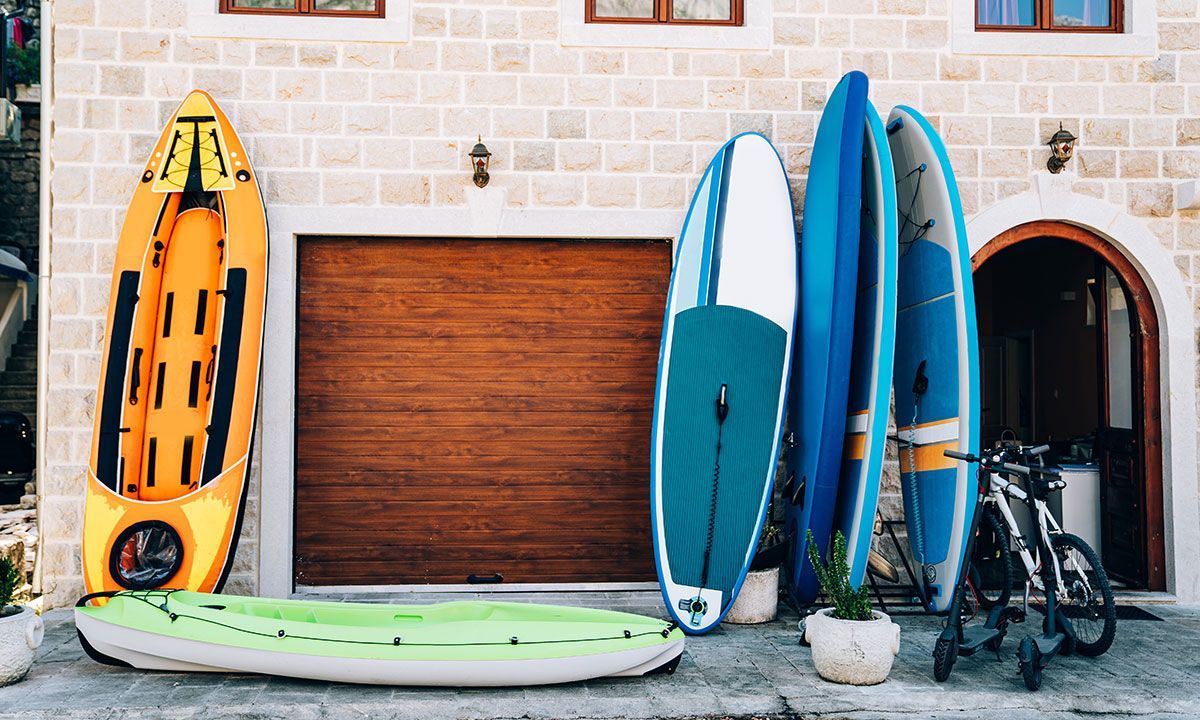
Nothing is worse than getting your new board and then dropping the ball on taking care of it. One way to protect your investment is to store your gear in a safe place. Here's why:

Most people believe that to improve your paddling, all you have to do is practice. Stand up paddling requires high amounts of stamina, energy and muscle function. Without them, this can mean the difference between missing the best waves of the day and winning the competition.

Downwind paddling on a stand up paddle board (SUP) is one of the funnest ways you can choose to ride your SUP. But, downwinders are harder than they look. One of the most decorated downwind paddlers in the world, Maui’s Connor Baxter, gives us some tips on what you need to know before attempting your first run.
If you have diabetes, SUP is emerging as a great sport that you can enjoy without fear and even excel at it if you have what it takes. However, just like any other physical activity that involves aerobic, sprint, or resistance training, SUP can be risky to your health as a result of varying blood glucose responses, and it is up to you to manage those risks so that you can keep having fun and maintain your performance at the highest levels possible.

In the second episode to debut from SUP Surf Tips with stand up paddle surfing expert Sean Poynter, Sean teaches us how to safely get you and your stand up paddle board in and out of the water. See Sean's Tips below: