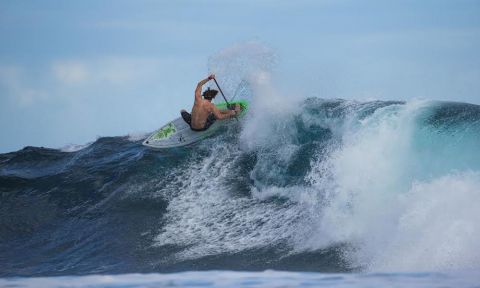
How To Pick Your SUP Surf Break
In episode four of Sean Poynter’s How-to SUP series, Sean gives us tips on how to choose your SUP surf break. Here are Sean’s tips:
- Published in Tips

In episode four of Sean Poynter’s How-to SUP series, Sean gives us tips on how to choose your SUP surf break. Here are Sean’s tips:
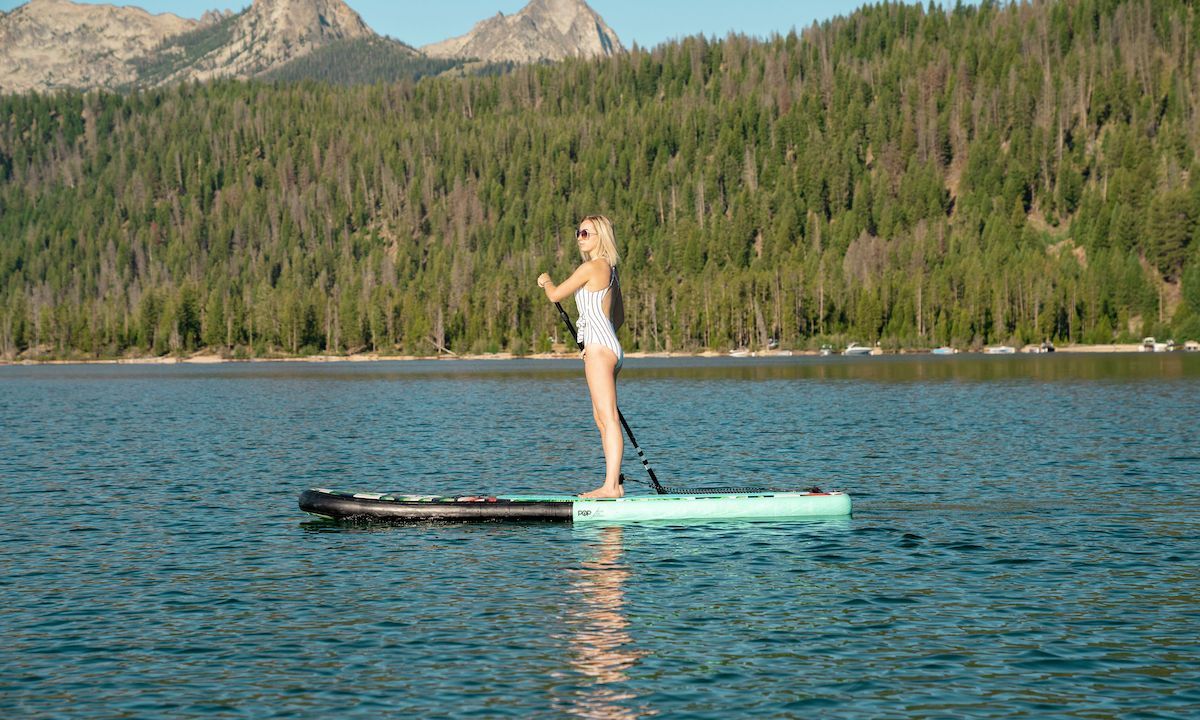
Professional and competitive stand-up paddle boarders don’t make it to the top of the sport on skills alone. It requires a lot of hard training to harness these skills and an increased amount of attention to diets. In order to achieve good balance on your board, it is important that you have a good balance of nutrition when you’re off the board.

Inflatables are an awesome choice for stand up paddling and even have quite a few advantages over their hard board counterparts. We've teamed up with a few inflatable lovers to get you a list of the Top Reasons of why you must have an inflatable in your SUP quiver.
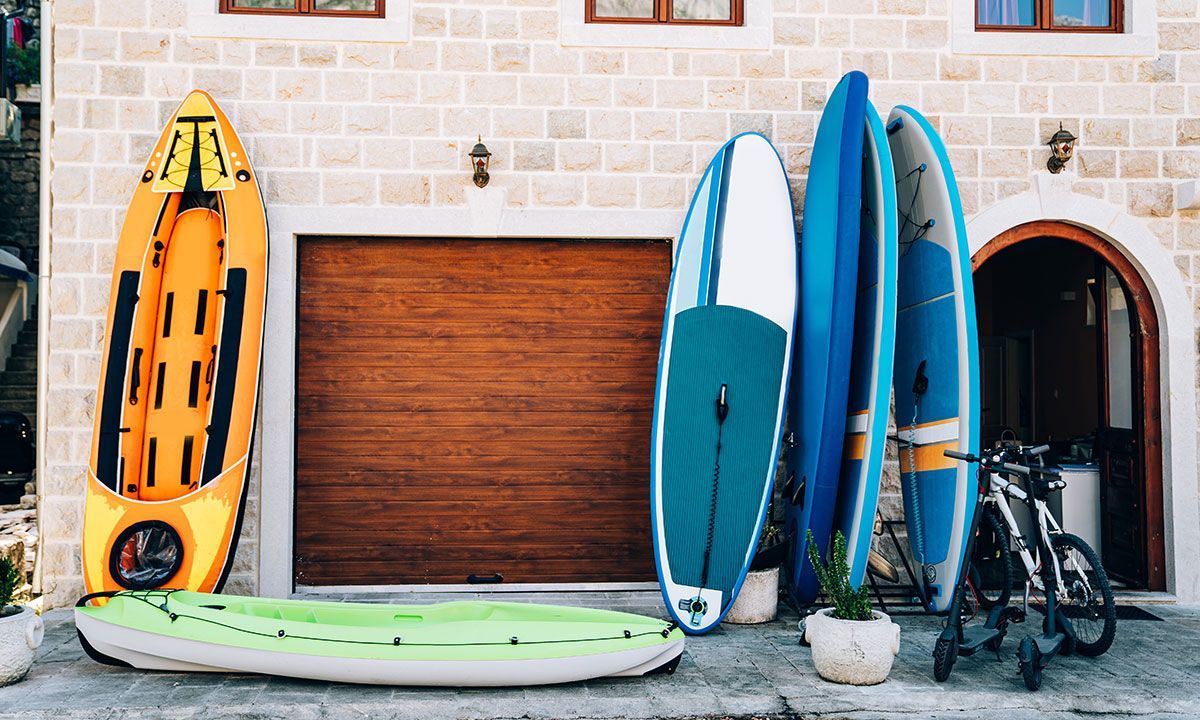
Nothing is worse than getting your new board and then dropping the ball on taking care of it. One way to protect your investment is to store your gear in a safe place. Here's why:
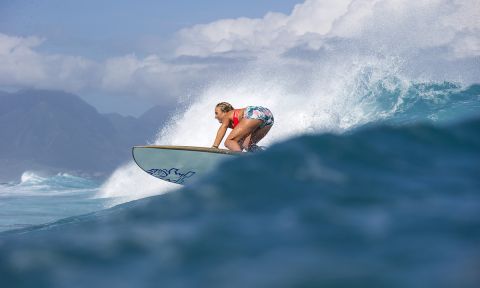
Most people believe that to improve your paddling, all you have to do is practice. Stand up paddling requires high amounts of stamina, energy and muscle function. Without them, this can mean the difference between missing the best waves of the day and winning the competition.
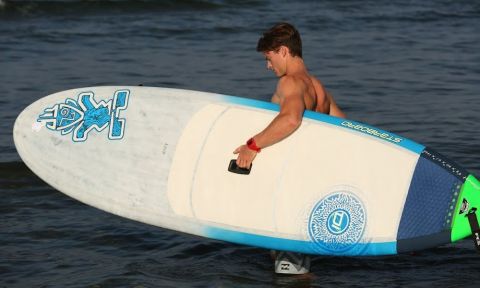
In the second episode to debut from SUP Surf Tips with stand up paddle surfing expert Sean Poynter, Sean teaches us how to safely get you and your stand up paddle board in and out of the water. See Sean's Tips below:
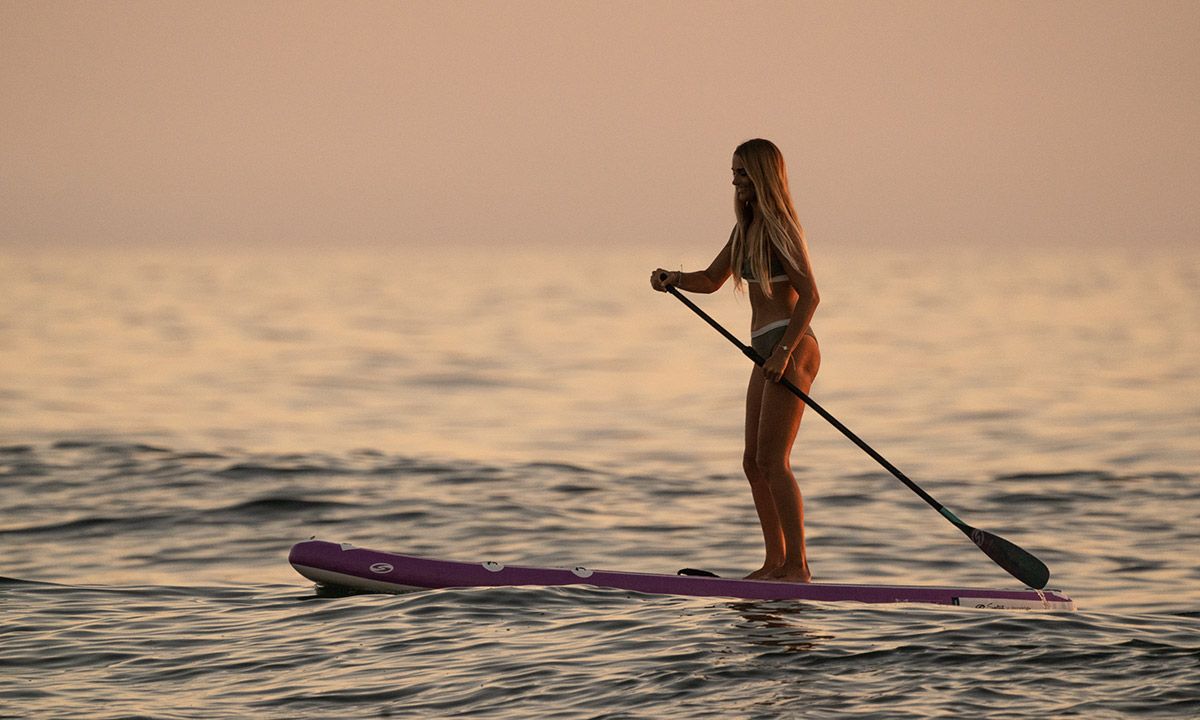
Buying your first paddle board can be a challenge. Stand up paddle boards (SUP) aren’t cheap, and a first time buyer can quickly be overwhelmed by all of the options and variations that exist in the market place. Inflatable or hard board? What size should you get? Hull shape? Length? Materials? Price? The stuff one needs to learn seems to go on forever. Answering these basic questions will help you get the SUP that’s right for you.
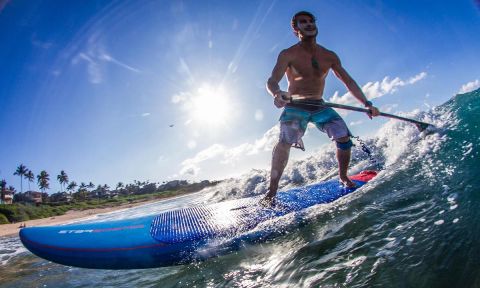
Mistakes are inevitable, they happen to the best of us so in order to give you a jumpstart and get you some insight on what you should avoid while SUP surfing we’ve chatted with some of the best in the business to give you some tips.

Standup paddle boarding can offer a fun and relaxing activity that mostly anyone can do, it is also one of the best workouts out there. People with all body shapes, sizes and ages are engaging in standup paddle boarding as a fun fitness activity. As many people have heard, standup paddle boarding is the best workout for a complete body workout. So, how many calories does paddle boarding burn? Find out here.
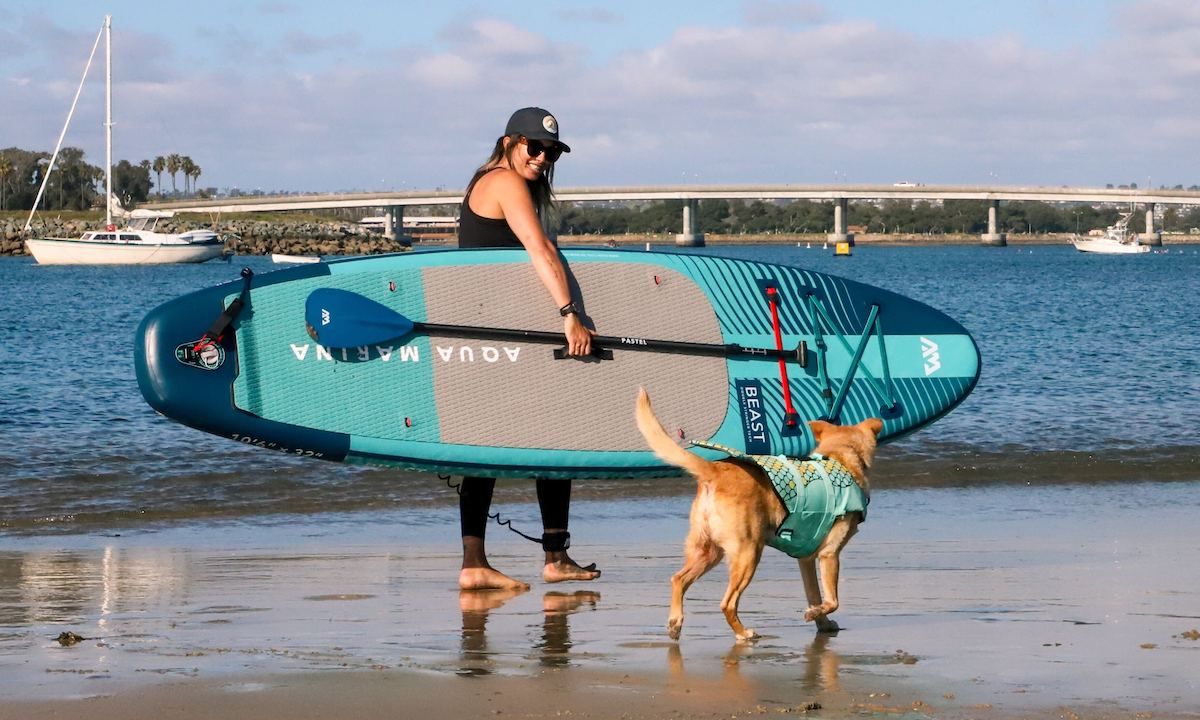
Paddle instructor and doggy mama Samantha Dishmanand shares some tips for dealing with high anxiety dogs on paddle boards.
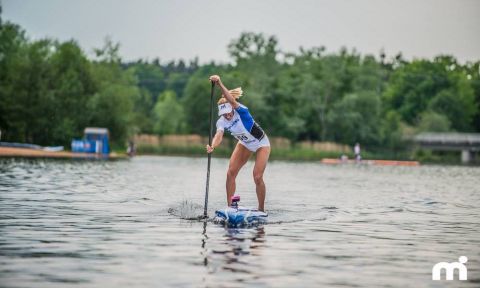
SUP racing World Champion, Seychelle, is no stranger to injury so we reached out to her to get her tips and advice on how you can help to speed up recovery while you’re injured to get you back on the water as soon as possible.
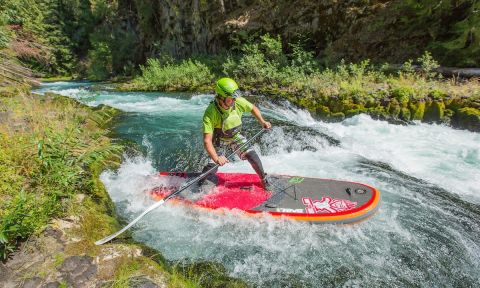
Stand up paddling on the river is tough. It’s one of the most technical avenues of paddle boarding and there are a lot of mistakes that rookies, and even sometimes experienced paddle boarders make. Here, pro stand up paddler and SUP river expert Dan Gavere lists some of the top mistakes made by river SUP rookies. Check it out: