
Top Paddleboarding Trends That Defined 2025
- Written by Staff
- Published in Opinion
- Comments::DISQUS_COMMENTS
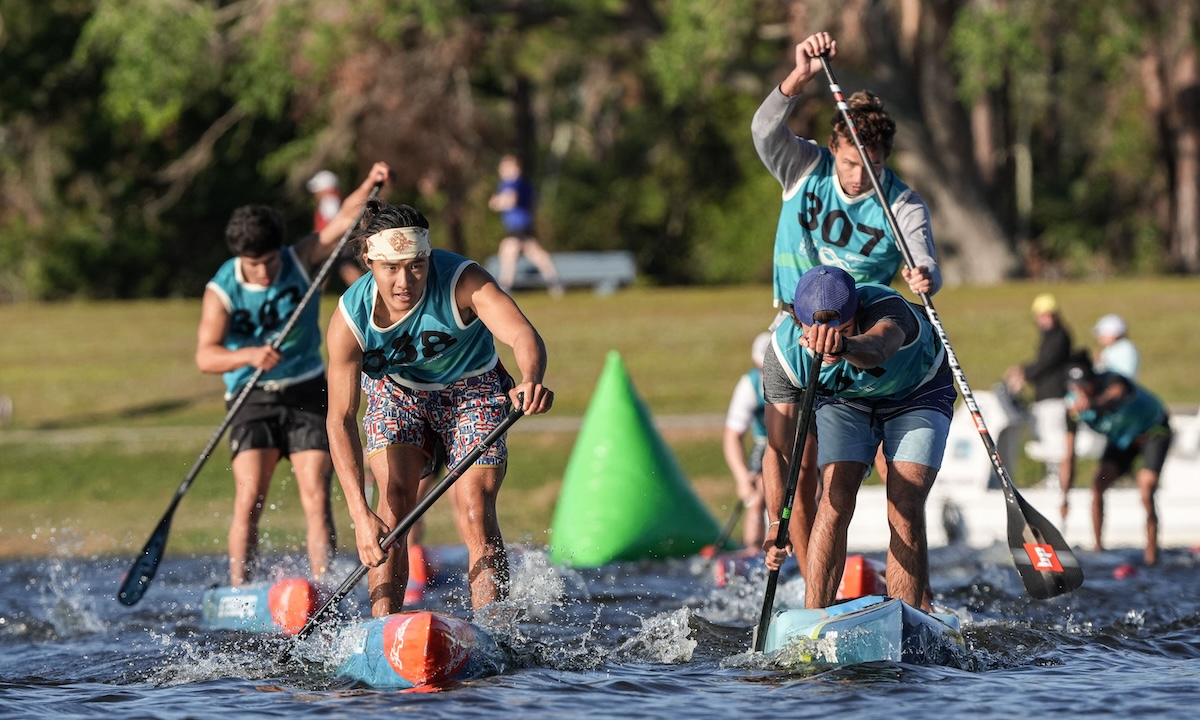 A snapshot from the 2025 ICF World SUP Championships. | Photo courtesy: Starboard
2025 marked a clear inflection point for stand up paddleboarding, as the sport continued its evolution from niche watersport to a technically refined, globally competitive, and lifestyle-driven discipline. Across racing, surf, touring, and recreation, several key trends stood out—shaped by athlete performance, equipment innovation, environmental pressures, and changing participation patterns.
1. SUP Racing Becomes Institutionally and Technically Mature
By 2025, SUP racing had fully transitioned into a dual-track competitive ecosystem, anchored by both International Surfing Association and International Canoe Federation sanctioned events. This parallel structure helped formalize the sport while preserving its surf-rooted DNA.
Across ISA World Championships and ICF World Cup and World Championship circuits, racing reached a new level of specialization. Sprint, technical, and distance disciplines now demand distinct board designs, fin configurations, and race tactics. Margins of victory increasingly hinged on start mechanics, drafting efficiency, buoy turns, and energy conservation rather than raw strength alone.
Notably, ICF-aligned events continued to emphasize standardized course formats, repeatable technical execution, and athlete consistency across heats—reinforcing SUP’s legitimacy within the broader paddle-sport framework. Meanwhile, ISA events retained a closer connection to ocean conditions and surf-adjacent variables, together offering complementary pathways rather than competing visions for the sport.
2. Participation Growth Is Driven by Community, Not Competition
Beyond elite racing, the strongest participation growth in 2025 came from community-based paddling. SUP yoga, fitness paddles, guided tours, and social group sessions continued to expand, reinforcing SUP’s position as a low-impact, wellness-oriented activity with broad demographic appeal.
This segment proved especially resilient, supporting retailers, resorts, and local clubs while broadening the sport’s footprint well beyond competition-centric audiences.
 Photo courtesy: Surftech
3. Sustainability Becomes a Baseline Expectation
Environmental responsibility in SUP crossed an important threshold in 2025. Sustainability moved from a marketing differentiator to a baseline expectation, particularly in premium and touring categories.
Manufacturers increasingly adopted bio-resins, natural fiber reinforcements, and longer-life construction philosophies. At the consumer level, paddlers demonstrated greater discernment—rewarding brands that delivered measurable environmental improvements without compromising performance or durability.
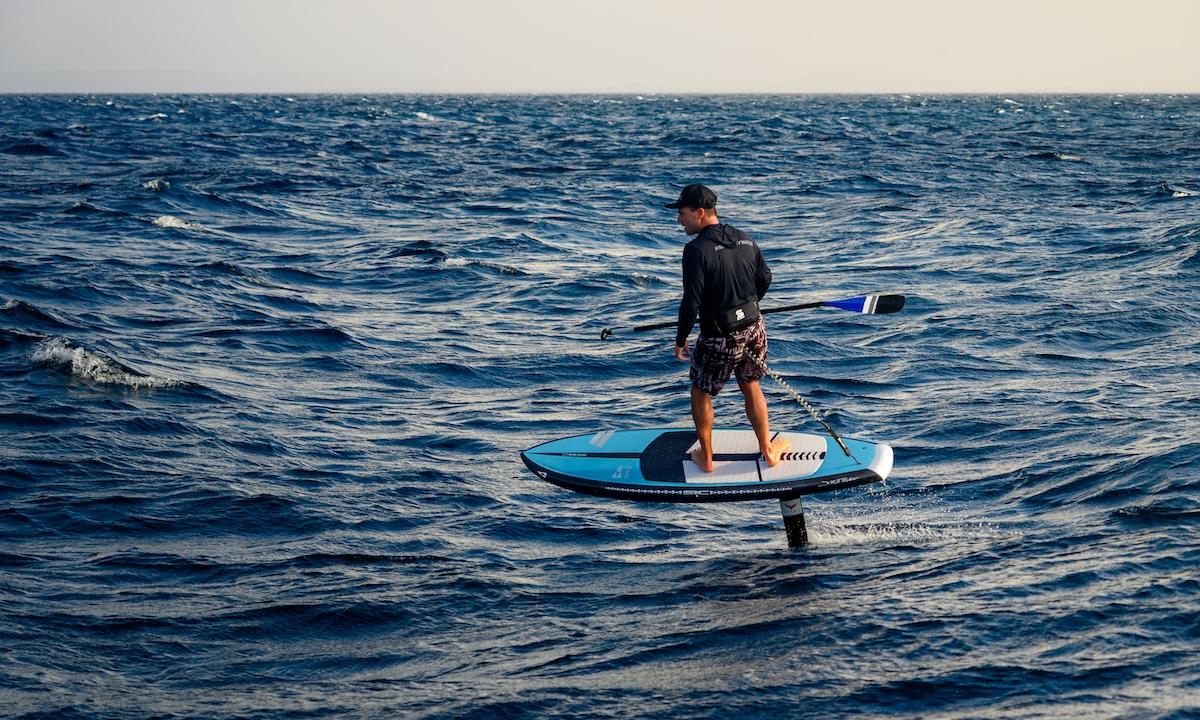 Photo courtesy: SIC Maui
4. Foil Integration Influences Training and Design Philosophy
While foiling remains its own discipline, its influence on traditional SUP accelerated in 2025, particularly in downwind and open-water contexts. Many elite racers incorporated foil training to improve glide efficiency, balance, and ocean reading—skills that transferred directly to long-distance and technical racing formats. This crossover subtly reshaped board design priorities, with increased focus on trim efficiency, glide preservation, and reduced fatigue over long race distances.
5. Media, Editorial, and Athlete Storytelling Gain Strategic Weight
As SUP matured structurally, how the sport is documented and contextualized became increasingly important. In 2025, long-form editorial coverage, athlete profiles, and technical explainers played a key role in bridging the gap between elite competition and everyday participation.
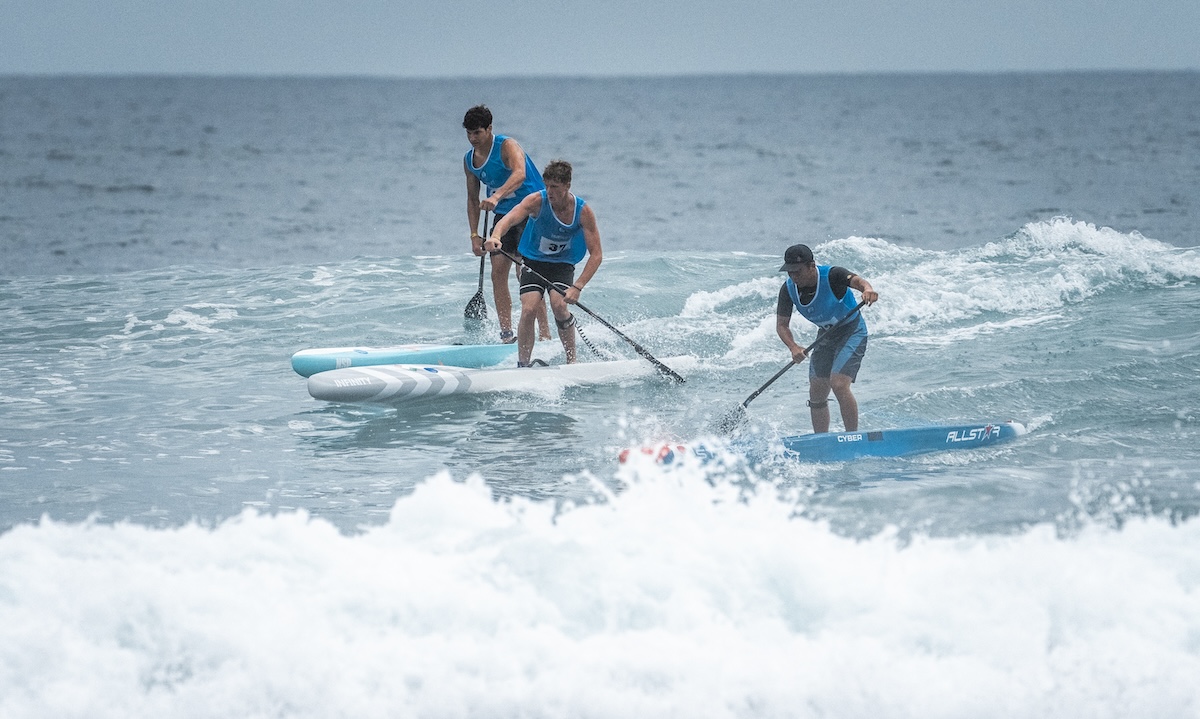 Junior Technical Race at the 2025 ISA World Championships. | Photo: ISA / Sean Evans
6. Youth & U21 Pathways Move to the Forefront
One of the clearest indicators of long-term growth in 2025 was the elevation of junior and U21 divisions. These categories were no longer treated as developmental side events but integrated prominently into championship schedules, often contested in peak conditions.
Both ISA and ICF frameworks contributed to this shift, creating clearer progression routes from youth competition to elite senior racing. The technical proficiency displayed by younger athletes underscored a broader trend: paddlers are entering the sport earlier, training more systematically, and reaching elite performance levels faster than previous generations.
Looking Ahead
Rather than being defined by a single breakthrough, 2025 will be remembered as the year SUP racing and participation structures fully matured. With ISA and ICF events reinforcing legitimacy at the elite level, youth pathways strengthening, sustainability becoming non-negotiable, and community paddling continuing to expand, stand up paddleboarding enters 2026 on unusually stable footing. It is no longer a sport searching for identity—but one refining it.

Staff
Submit your news, events, and all SUP info, so we can keep promoting and driving the great lifestyle of stand up paddling, building its community, and introducing people to healthier living.
Website: supconnect.com