
The Power Score: Find Your Name in the SUP Race Rankings
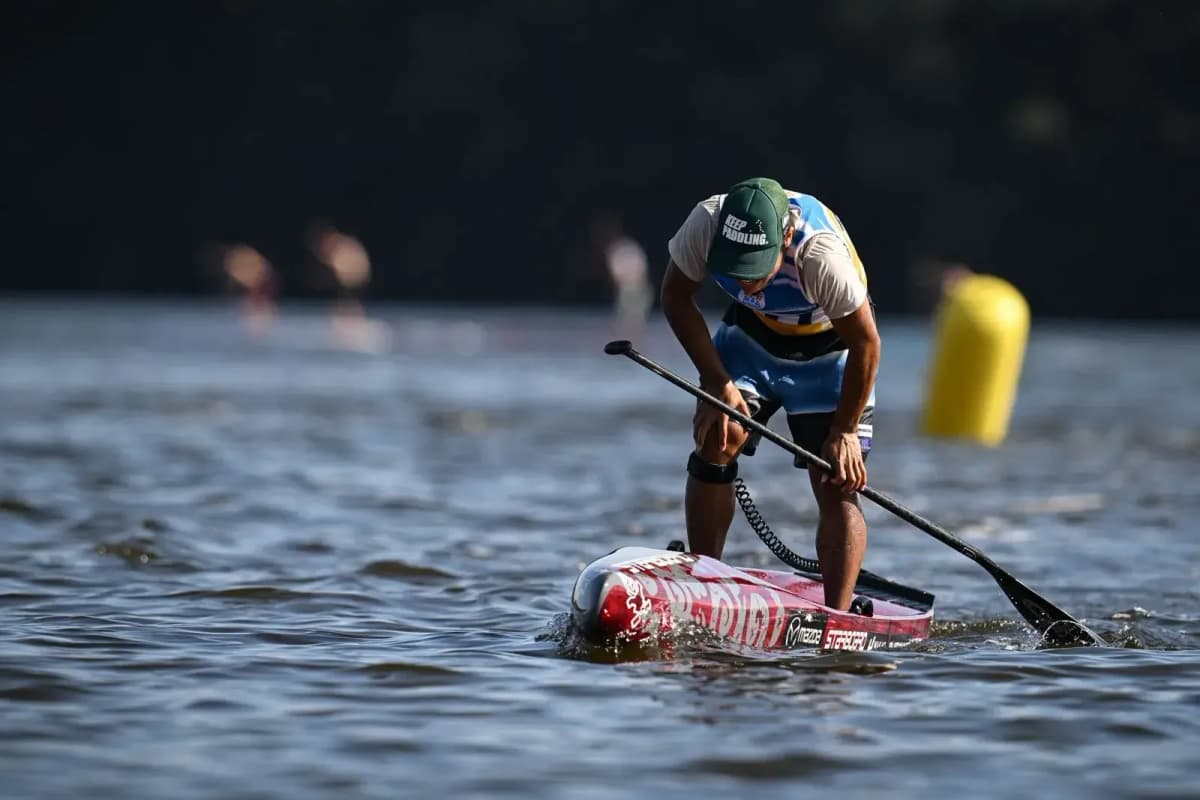
If you have raced a stand up paddle board at a world championship in the last two years, there is a good chance you already have a number on Supconnect. It is called the Power Score, and it ranks SUP racers around the world from one simple idea: who you beat, who beat you, and by how much.
Reading it is free and open to everyone, no account needed. A free account adds one thing on top: the chance to claim your own racer profile. Here is what the number means, how the men's and women's tables work, and where to click to find yourself.
Where to Click
- The Power Score rankings: the top 10 men and women, with a tab for each discipline
- Men's full table and women's full table
- Find a paddler: search any racer by name
- Claim your profile: link your results to your free account
- Nations: which countries are strongest, men and women apart
- The racing hub: top 10s, upcoming races and recent results in one place
- How the Power Score works: the full method, in plain words first
The Short Version
Think of every race as a pile of head-to-heads. Finish ahead of a paddler and you win that one; finish behind and you lose it. A field of 27 finishers holds 351 of those little match-ups.
Take the women's long distance final at the ICF SUP World Championships in Sabaudia last month. When Hungary's Csillag Kocsis won it at 19, she took a head-to-head win over every paddler behind her, including Puerto Rico's Mariecarmen Rivera, who faded to fourth in the closing minutes. That one race went into both of their scores.
The margin counts too, up to a point. A win by a couple of seconds is close to a tie, so it counts as only a little more than half a win. A clear win counts in full. And who you beat matters as much as how far: finishing ahead of someone who beats almost everyone is worth far more than beating someone who rarely beats anyone.
What the Power Score never does is compare a time from one race with a time from another. Wind, current, course and distance change from race to race, so a fast time on flat water in Italy says nothing about a time in the chop somewhere else. Your score comes only from the paddlers you raced, in the same water on the same day.
What the Number Means
Every paddler starts at 1000, and real results push the number up or down from there. The number on its own is not a grade. What matters is the gap between two paddlers, and the gap works like odds:
- 100 points apart, the higher-rated paddler finishes ahead about 64% of the time
- 200 points apart, about 76% of the time
- 400 points apart, about 91% of the time
Here is how that reads on the current list. Japan's Shuri Araki leads the men at 2442, with Spain's Aaron Sanchez second at 2308. That 134-point gap makes Araki the favorite in their next head-to-head, at roughly two races in three. At the top of the women's table, Rivera (2226) and Spain's Duna Gordillo (2218) are only 8 points apart: about as close to a coin flip as two paddlers get.
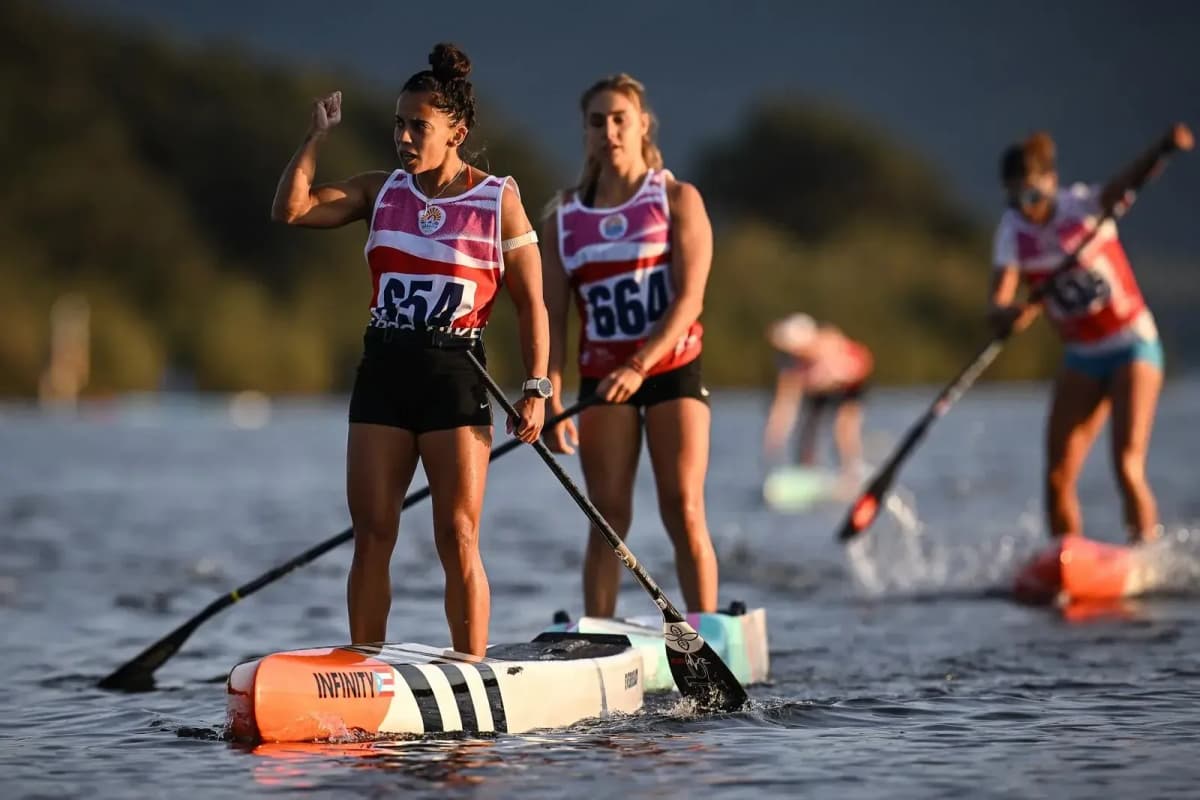
Recent races count most. A race counts in full for 12 months, then slowly less, and drops out after two years, so last season's result cannot decide this year's list.
Men and Women, Ranked Apart
The Power Score keeps men and women in separate tables, and paddlers are only ever compared with others in the same race category. The men's table and the women's table each have their own top 10, their own full list and their own nation ranking.
Each discipline is rated on its own too, because a great sprinter is not automatically a great distance paddler. There are five: Sprint, Technical, Distance, Downwind and crossings, and Ultra. Each one has a table for men and a table for women, such as Technical, men or Distance, women.
The headline Power Score starts from your best discipline, and a strong second discipline adds to it. A paddler rated 1600 in Sprint and 1300 in Distance has a Power Score of 1690; a pure sprinter at 1600 stays at 1600. A second discipline only ever adds.
That is why the tables read the way they do. Kocsis, the new world champion over the long distance, sits 10th among the women at 1803, and her row reads "One discipline: Distance." Most of the women above her are rated in two disciplines: Rivera's score is built from Distance and Technical, Italy's Cecilia Pampinella's from Sprint and Technical. One great race is one set of head-to-heads; the list sums up two years of them.
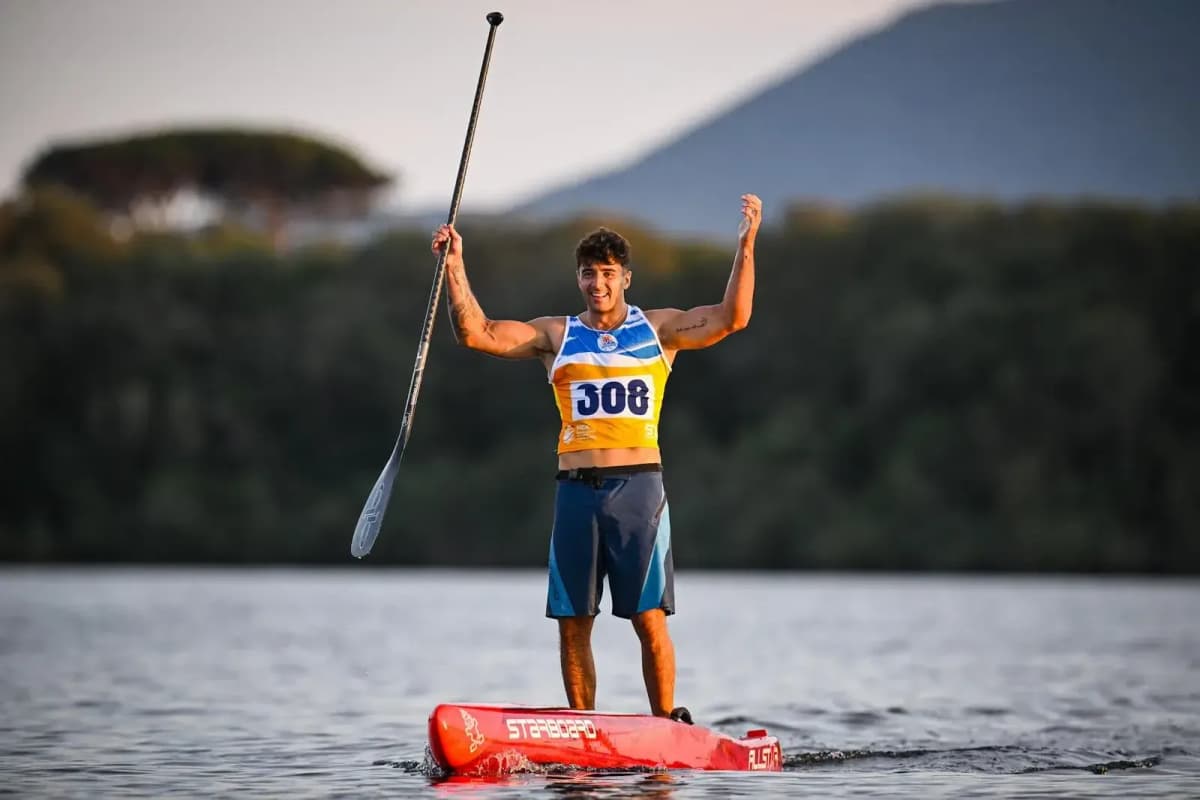
A few more things you will see on a row:
- A ± band after the number says how sure it is. Fewer races mean a wider band.
- Provisional means fewer than three counted races so far.
- Masters paddlers have their own tables under the age filter, rated from their own races. The headline tables are Open only.
- Juniors count in everyone's head-to-heads, but no junior is ever named on a public list.
Find Your Name and Claim It
Start with Find a paddler, or type your name into the search at the top of the rankings. Every rated adult has a page with their Power Score, each discipline, every counted race and what it added or took away.
On that page you will see "Is This You?" That is where claiming starts. With a free Supconnect account, you go to Claim your profile, tick the results that are yours, untick any that are not, and show it is you: a federation ID, the email you registered with, a code posted on a public social account, or a Host or editor who can vouch for you. You need to be 18 or older. An editor checks each claim within seven days.
Once your claim is approved:
- Your racer page shows "Claimed Profile" and links to your paddler profile.
- You get a notice when your rank moves or a new result counts in your Power Score.
- You can set your flag and pick a home city from our city hubs. Neither ever changes your rating.
- You can ask for a correction if a result on your page is wrong.
The rating itself is the same whether you claim it or not. Claiming makes the profile yours.
Not on the List Yet?
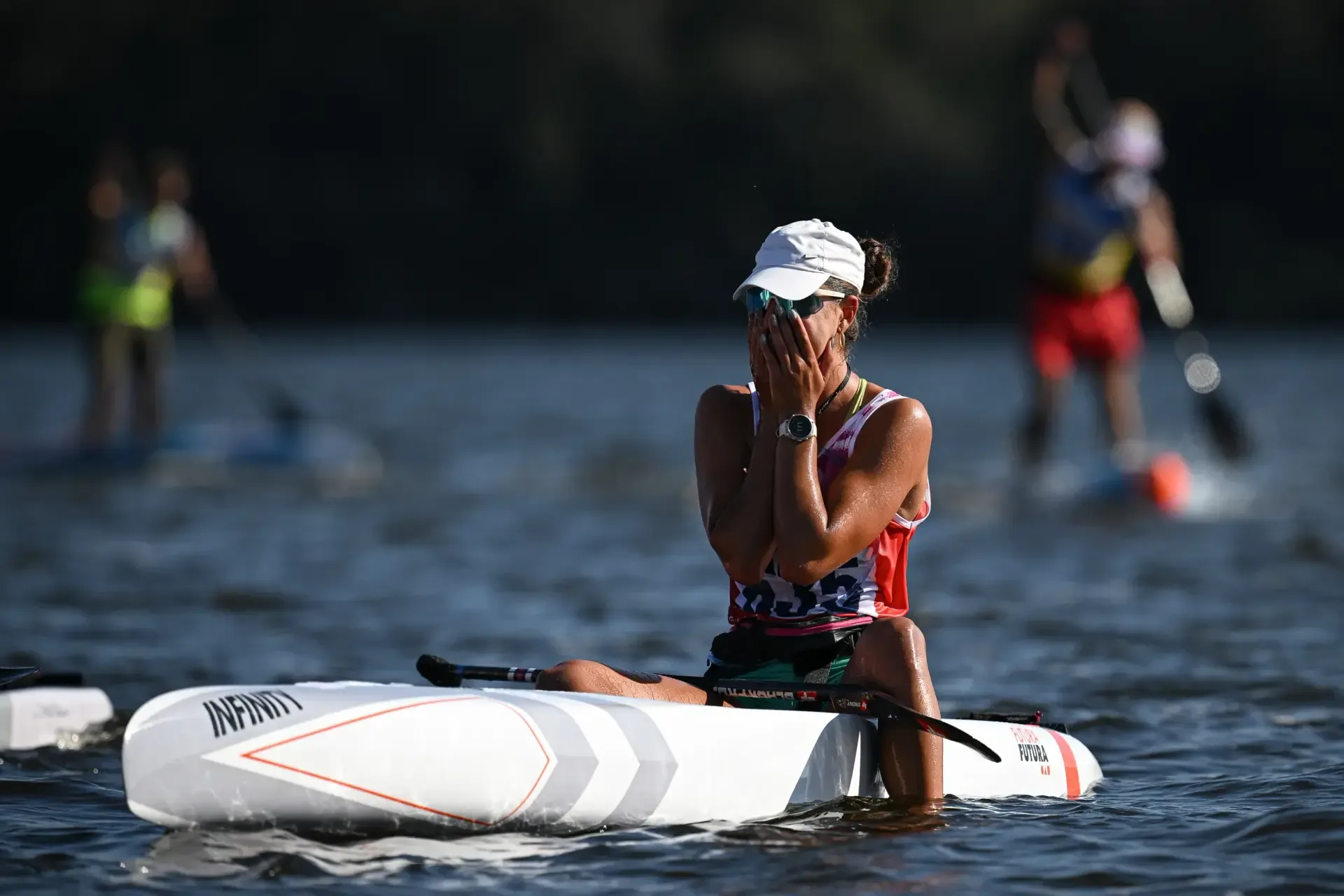
The first list read 7,520 results from the 2024, 2025 and 2026 ICF SUP World Championships, and more races have been added since. The current men's table is rated from eight races. That is still a narrow window on the sport, so plenty of fast paddlers who race mostly closer to home are not on it yet.
A race also needs at least 10 finishers in its category, and it has to share at least three paddlers with the rest of the rated field before it counts, so one club race cannot put its winner at the top of the world. Inflatables, relays and team boats are not rated.
If you organize or time a race, you can send us its results, past editions included. We check for new results every morning, and a new list publishes when the results change.
Do Not Race? Try a Test Course
You do not need a race number to see where you would stand. A Test Course is a real race course on the water that you can paddle on your own, on any day. Your time gets a Virtual Power Score: always labelled virtual, never in a rankings table, and never mixed with the head-to-heads above.
Ready to look? Open the Power Score rankings and start with your own name.
More News
Hanohano Ocean Challenge Returns to Mission Bay in January 2027
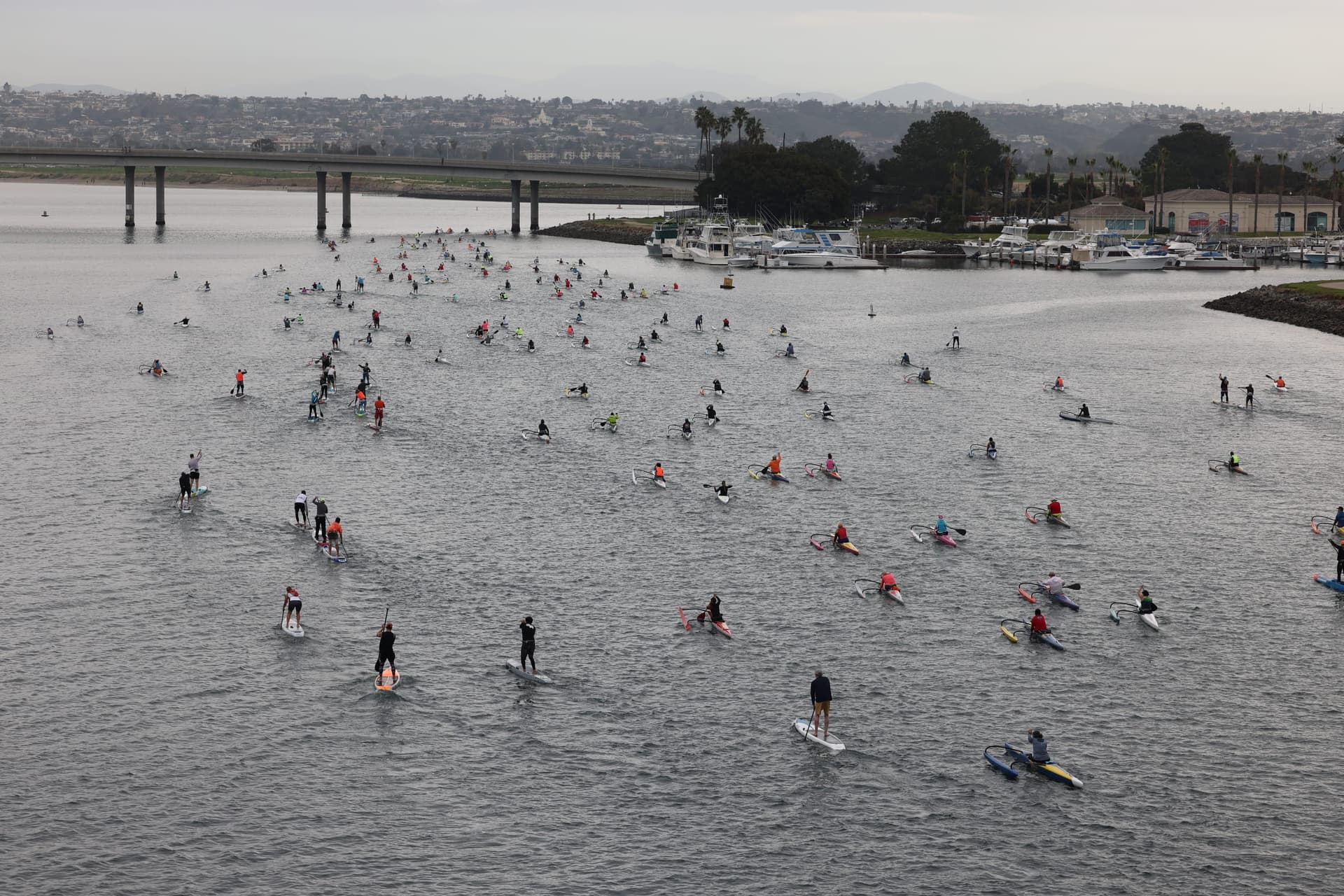
The Hanohano Ocean Challenge returns to Bonita Cove in San Diego on January 30, 2027, opening another season of racing for SUP, prone, OC and surfski paddlers.
ICF Championships in Italy Wrap Up: Results and Recap
A 19-year-old Hungarian, a third straight distance title for Shuri Araki and repeat technical wins for Mariecarmen Rivera and Aaron Sanchez Quetglas: the Sabaudia Worlds recap.
Throwback: The Best of the Supconnect Photo Contest 2023
We are taking a look back at the Supconnect Photo Contest 2023 with 19 of our favorite entries, from glassy alpine lakes to heavy ocean waves.
Connect For TheLatest News
Receive the latest in stand up paddleboarding news, reviews, tips, giveaways and more.
One email a week. Unsubscribe anytime.