
Paddle Boarding the East Coast of Vancouver Island, British Columbia
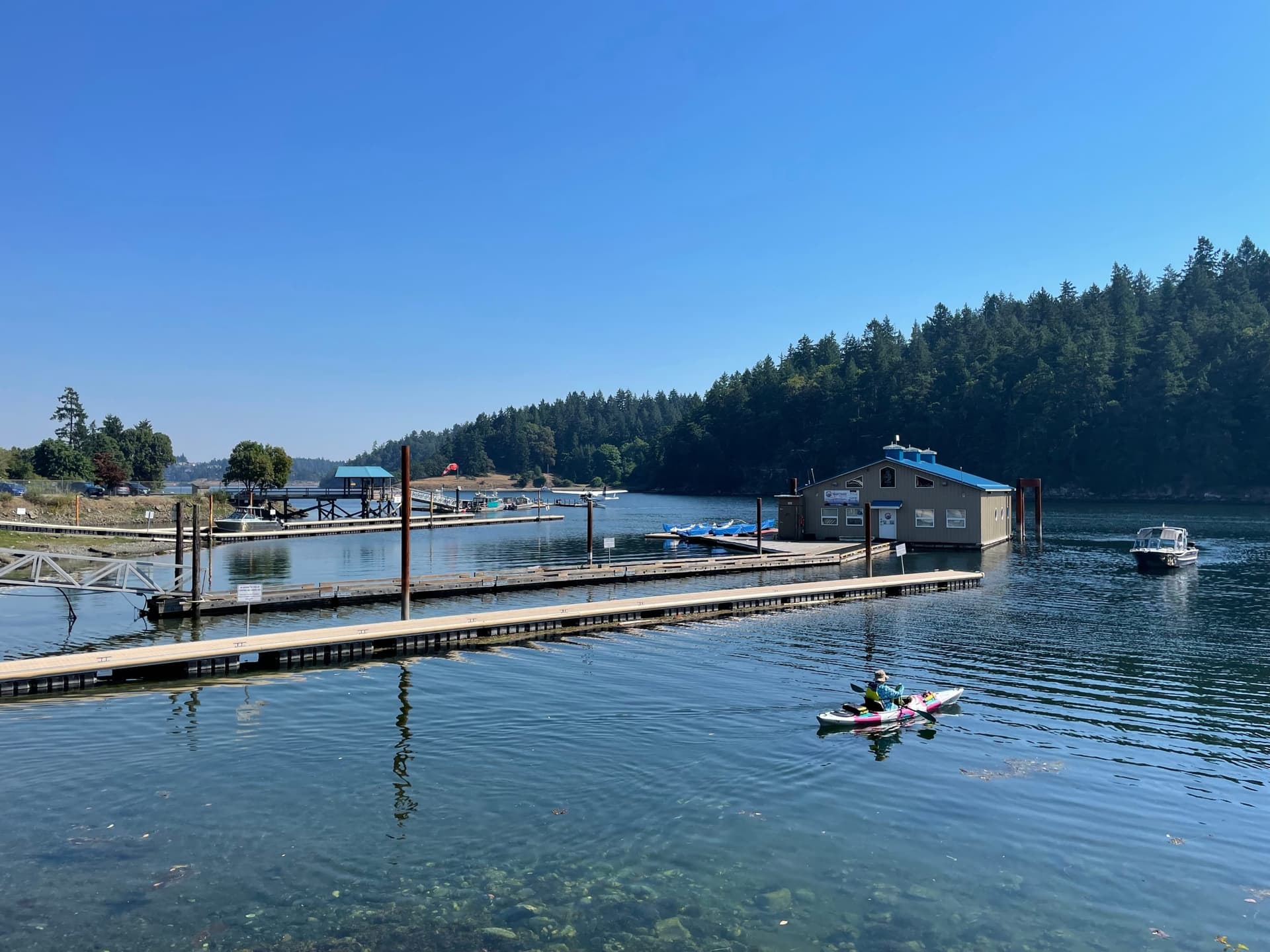
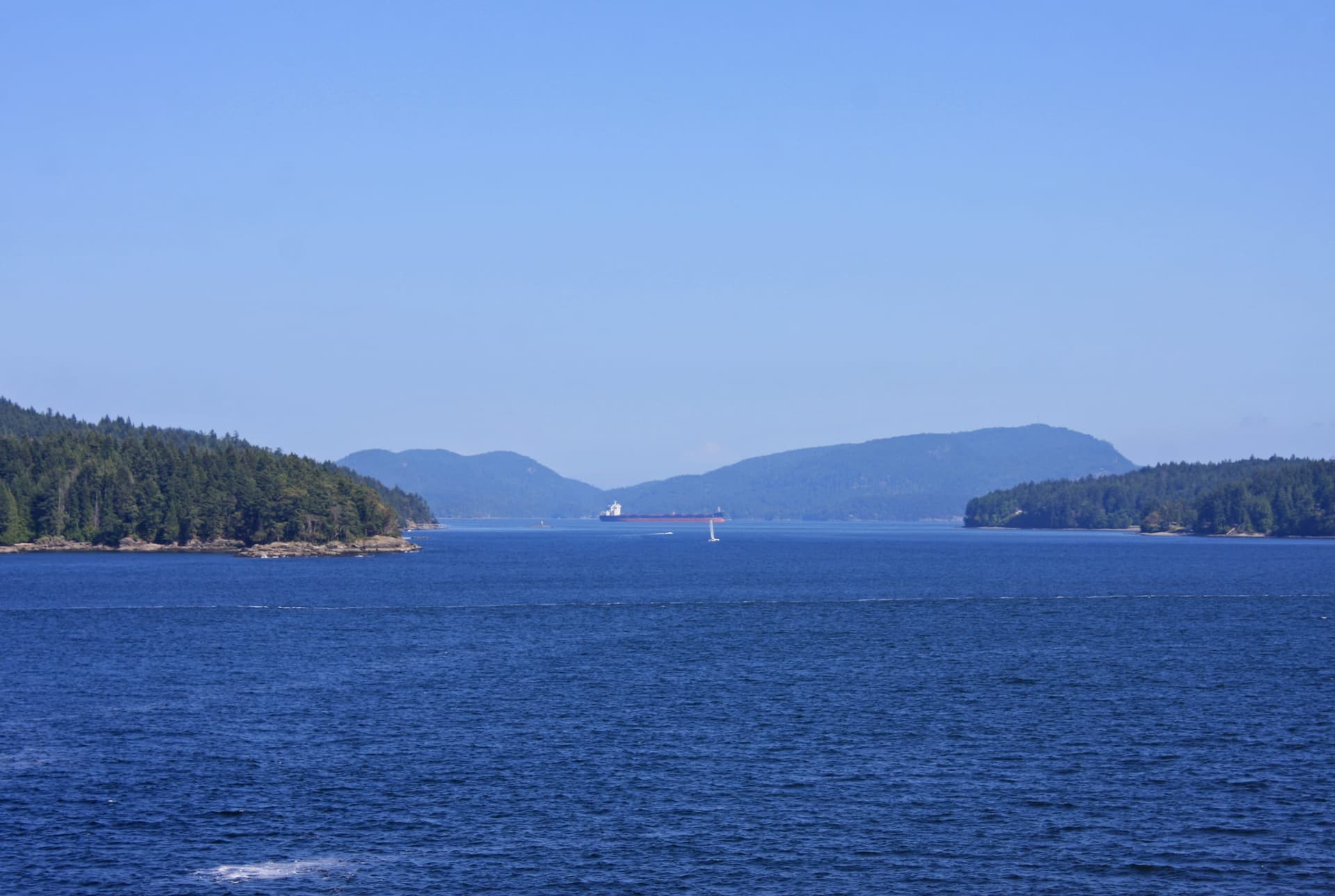
Stretching from the Cowichan Valley north to Parksville and Qualicum Beach, the east coast of Vancouver Island offers two things few paddling destinations manage at once: calm, sheltered saltwater full of wildlife, and scenery that stops you mid-stroke.
Every session plays out against a panorama. The snow-capped, glacier-hung Coast Mountains rise across the Strait of Georgia, Mount Arrowsmith towers behind the beaches, and forested islands scatter the horizon, from Salt Spring and Newcastle in the south to Texada and Lasqueti in the north. On the water, harbour seals pop up beside your board like curious puppies, Steller sea lions bark from their haul-outs, bald eagles patrol nearly every shoreline, and on lucky days humpback whales and orcas pass through.
"There are seasons where paddlers see humpbacks weekly, and orca sightings light up the community pages several times a month," says Adil Bahi, a Paddle Canada certified SUP instructor and guide who founded PaddlePoint Watersports and Paddle'n'Go. "But even on a day with no whales, you're paddling flat, warm water with glaciers on the skyline. There's nowhere else quite like it."
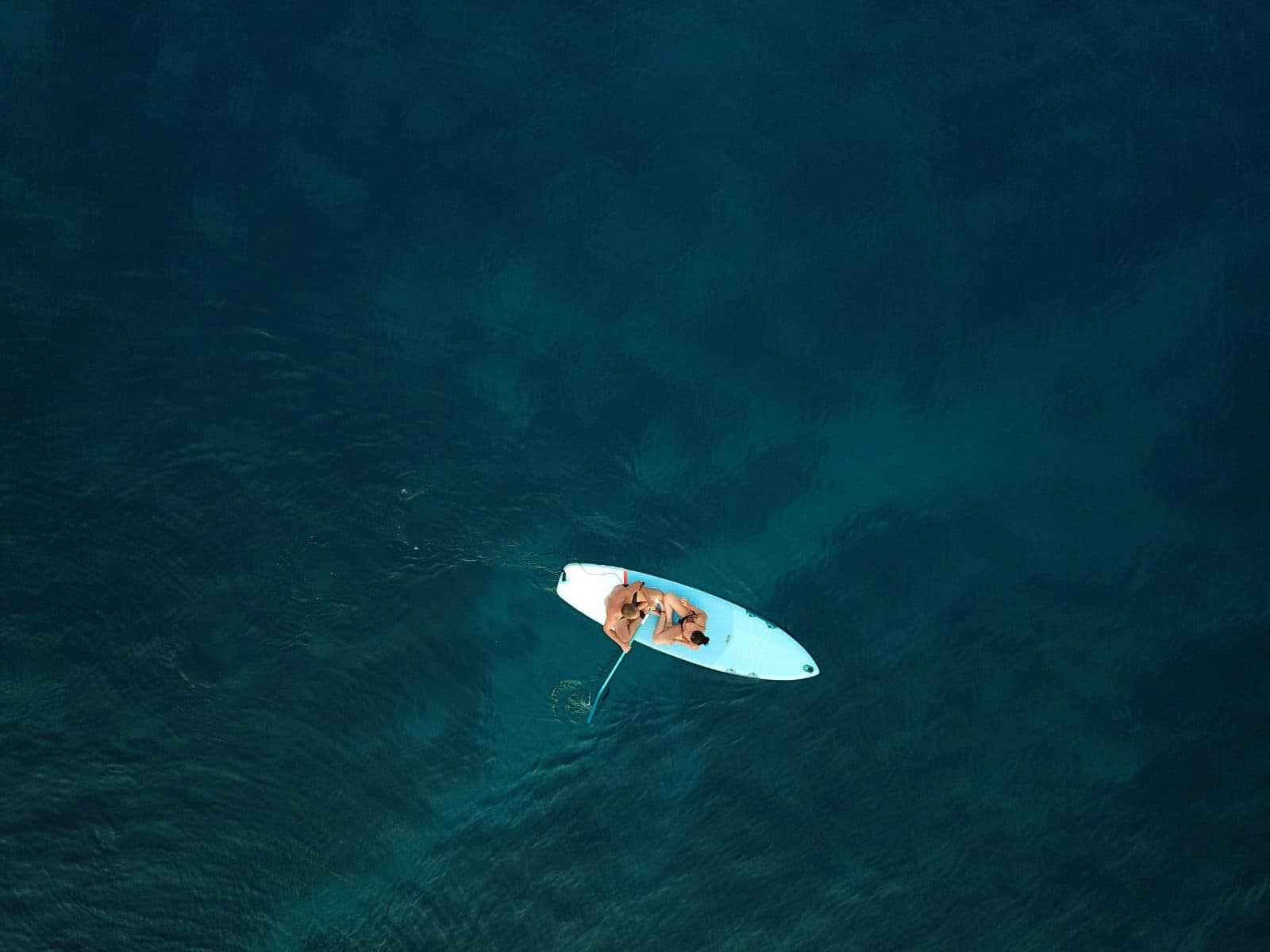
Because the island itself blocks the Pacific swell, the east side is genuinely beginner-friendly. These views and encounters are open to a first-timer on a rented board.
When To Go
The prime season runs May through September, when air temperatures reach 68–80°F (20–27°C) and shallow sandy bays like Parksville warm to a swimmable 68°F (20°C) on a flood (rising) tide. Early season has its own reward: the mountain views are at their most dramatic in May and June, when the Coast Range still carries a full winter snowpack above blue water.
Wildlife keeps its own calendar. Humpbacks return in growing numbers from spring through fall to feed, Bigg's killer whales (the mammal-hunting orcas, also called transients) hunt along the shoreline year-round, and the sea lion haul-outs are busiest in spring and fall.
Then there is the east coast's best-kept secret: bioluminescence. On warm, dark nights from roughly June to September, blooms of Noctiluca plankton can light up every paddle stroke in electric blue-green, turning boards into comet tails and darting fish into streaks of light. "On the right night it's unforgettable, but you have to be out there after dark to catch it," says Bahi.
Tides matter more than weather here. Some bays drain to sand flats at low tide, so plan sessions within a couple of hours of high water, paddle the glassy mornings, and save downwinders (runs with the wind at your back, finishing somewhere other than where you started) for the afternoon thermal breeze.
Hot Spots
Parksville Bay and Qualicum Beach
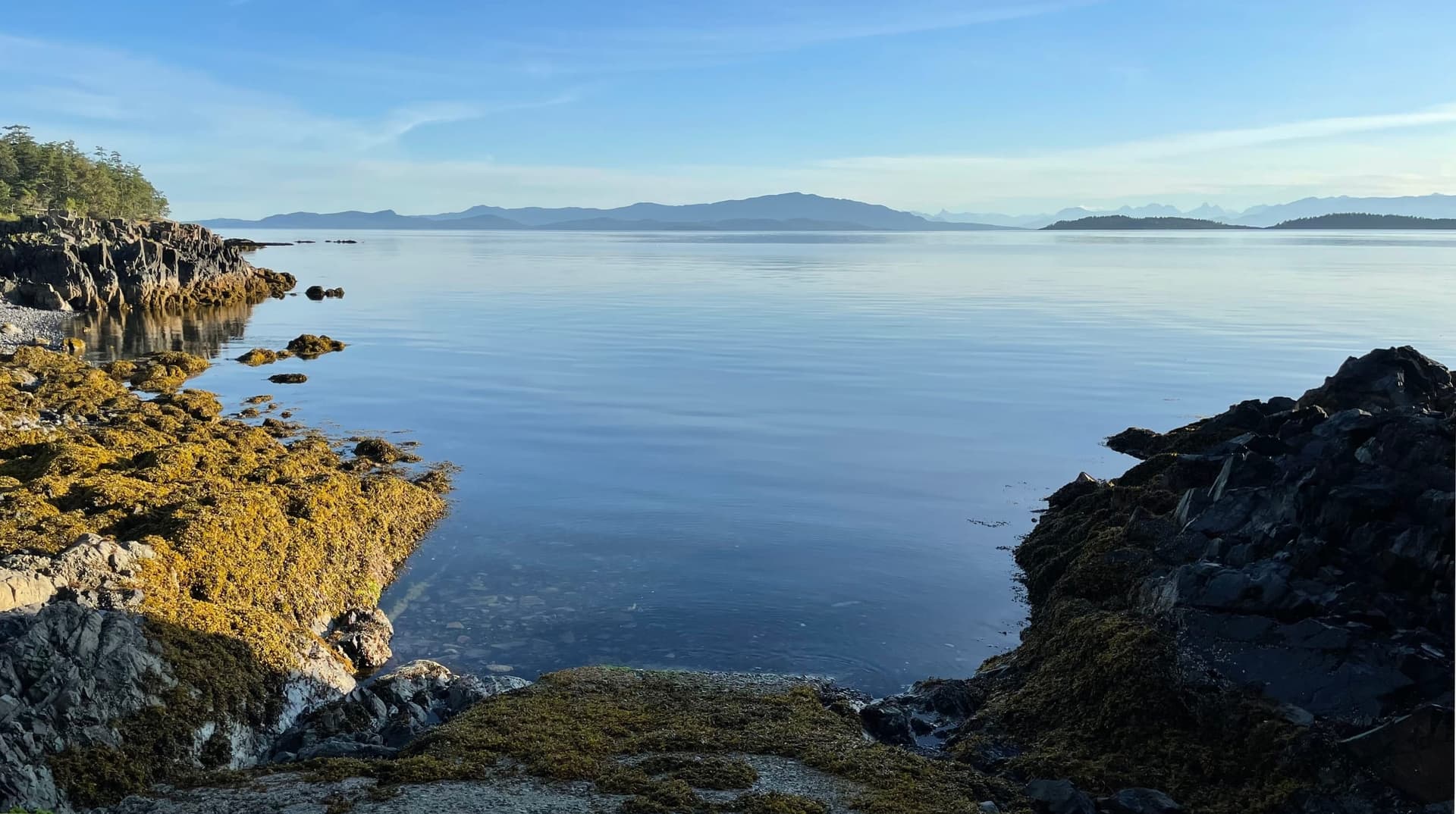
The crown jewels. Parksville's vast, sandy bay produces some of the warmest ocean paddling in Canada, with easy launching, a gentle bottom that suits first-timers, and a skyline to match: the glaciated peaks of the Coast Mountains across the strait, Texada and Lasqueti islands on the horizon, and Mount Arrowsmith at your back.
Just north, Qualicum Beach has the coast's most cinematic sightline. On calm mornings the strait turns to a mirror and the snowfields of the Coast Range reflect at your feet. Seals patrol the shallows, sea lions cruise past on their way to the herring grounds, and humpbacks are spotted off this coast every season.
PaddlePoint's self-serve station at the Parksville Bayside waterfront lets you book in the app and unlock a board, paddle and PFD (personal flotation device) at the water's edge, with no rental counter involved. According to Bahi, the station is available around the clock, so experienced paddlers can get on the water after dark, long after a traditional rental shop has closed.
Osborne Bay, Crofton
A quiet, protected bay looking across Stuart Channel to the rolling green flank of Salt Spring Island, launched from the Osborne Bay Resort waterfront. Arbutus-lined bluffs, near-daily seal and eagle encounters, river otters on the rocks, and glassy water even when the wind ruffles more exposed beaches make this one of the most reliable spots on the coast. PaddlePoint's second self-serve station is here, with boards available from dawn to dark.
Transfer Beach, Ladysmith
Tucked deep inside Ladysmith Harbour and exceptionally well protected, Transfer Beach pairs warm water and a grassy family park with a surprisingly wild harbour. Seals, herons and the occasional sea lion escort paddlers along the heritage waterfront, with the Gulf Islands stacked in layers beyond the harbour mouth.
Departure Bay, Nanaimo
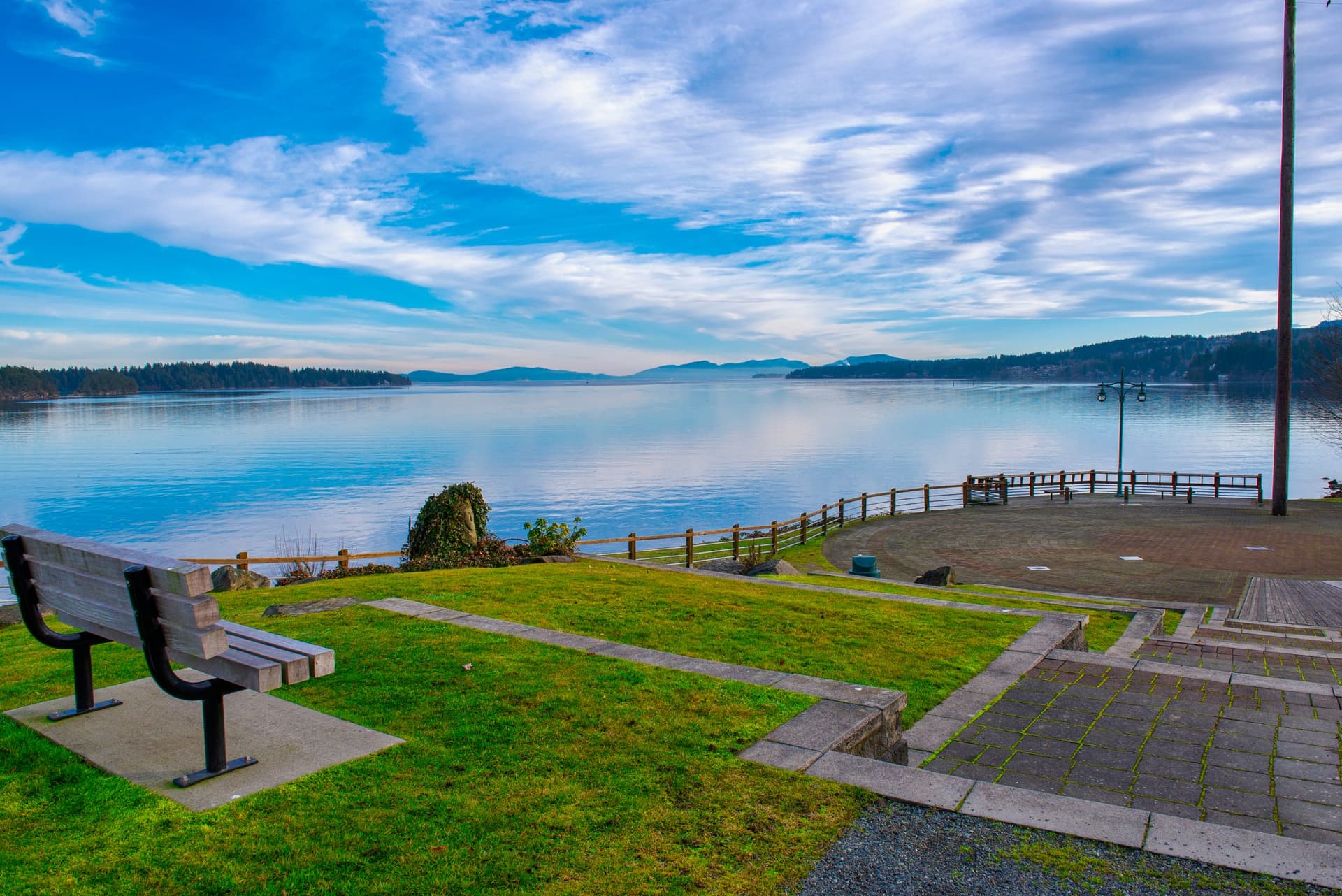
An urban paddle with wilderness views, framed by the sandstone shores of Saysutshun (Newcastle Island Marine) Park and the mainland mountains beyond. Harbour seals and porpoises are regulars, and orcas transit the channel often enough that locals keep their phones ready. Confident paddlers can cross to the island's coves and beaches; newer paddlers can hug the shore. Keep an eye out for the wake of passing boats and ferries on the crossing.
Maple Bay and Sansum Narrows
A deep, calm inlet leads to the postcard cliffs of Sansum Narrows, where forested walls drop straight into the sea between Vancouver Island and Salt Spring. Tidal currents concentrate bait fish, and with them everything that eats them: seals, sea lions, diving birds and whales. That same current is why timing matters. Go at slack tide, the short window when the current stops before it turns.
"Sansum Narrows on a slack tide is one of my favourite paddles anywhere," says Bahi. "More often than not you have it to yourself, except for the wildlife."
The Southern Gulf Islands
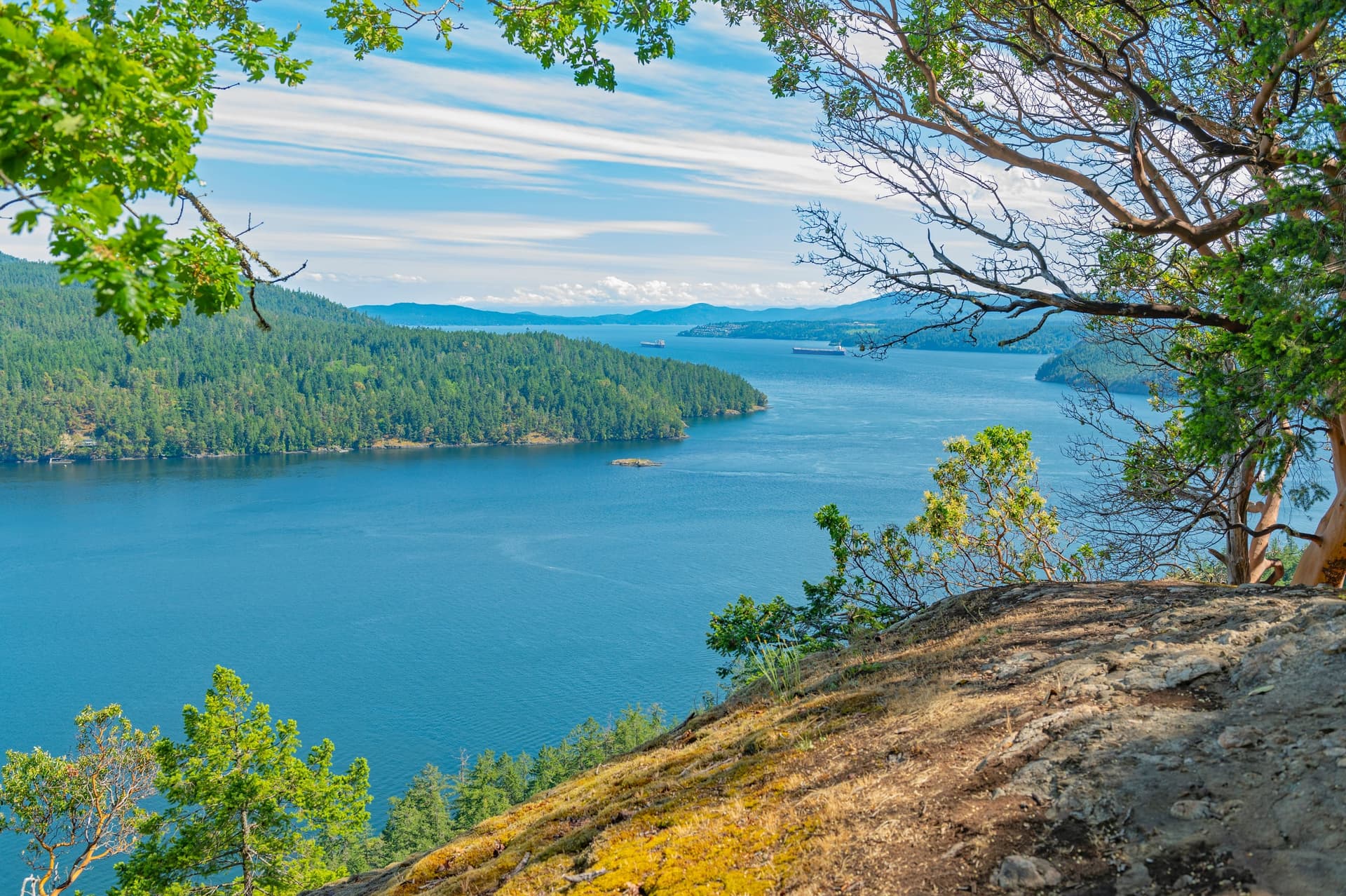
A short ferry hop opens up an archipelago made for paddlers: Salt Spring, Galiano, Pender, Mayne and Saturna, plus countless islets between them. BC Ferries sails to all five from Swartz Bay near Victoria, and if you are already up the coast, the Crofton ferry runs straight across to Vesuvius Bay on Salt Spring.
Montague Harbour on Galiano is a sheltered, family-friendly launch beside a marine provincial park, with sandstone cliffs along the Gray Peninsula and kelp forests swaying beneath your board. From Ganges Harbour on Salt Spring, an easy paddle reaches Chocolate Beach on Third Sister Island, a perfect swim-and-lunch stop, while Bennett Bay on Mayne and Lyall Harbour on Saturna offer quieter launches rich with sea lions, otters and shorebirds.
"The Gulf Islands are where east coast paddlers go to feel like explorers," says Bahi. "Every channel hides another beach, another sandstone gallery, another seal colony." Rentals and guided trips operate on each of the five main islands.
Paddle Smart Around Wildlife and After Dark
A few things we would tell any friend heading out here:
- Give whales room. Canada's Marine Mammal Regulations apply to paddleboards and kayaks too. Stay at least 330 feet (100 m) from most whales, dolphins, porpoises, seals and sea lions, and 656 feet (200 m) from killer whales. Southern Resident killer whales get 0.6 miles (1,000 m) in southern BC waters between Campbell River and just north of Ucluelet until May 31, 2027. If whales approach you, stay close to shore, stop paddling and let them pass.
- Bring a light for night sessions. Bioluminescence is a night show, and Transport Canada requires a waterproof flashlight on a paddleboard after sunset. Wear your PFD with a whistle attached, which covers the rest of the basic equipment rules.
- Respect the water temperature. Those warm sandy shallows are the exception. Out in the channels the water stays cold well into summer, so dress for a swim, wear a leash and stay within your skill level.
Finding Other Paddlers
The east island paddling community is active and easy to find. PaddlePoint's self-serve stations in Parksville and Crofton make spontaneous paddling, and impromptu meetups, possible without a rental counter. In and around Victoria, Paddle'n'Go runs guided tours, lessons, rentals and group paddles. Online, Vancouver Island's SUP and paddling groups on Facebook are the fastest source of paddle partners, current conditions and real-time wildlife sightings.
If you want lessons, Paddle Canada lists certified instructors across the region. Before you share the water with the coast's biggest residents, the Marine Education & Research Society's free, 90-minute online Whale-Safe Boating course is a great primer.
"The wildlife and the views are why people fall in love with this coast," says Bahi. "The community is why they stay."
Planning more paddling in the province? See our guides to paddle boarding British Columbia and paddle boarding in Algonquin Park for a taste of Canada's lakes, or browse our top inflatable SUP routes in North America.
About the Author
Adil Bahi is the founder of PaddlePoint Watersports, which runs self-serve paddleboard and kayak rental stations on Vancouver Island, and a Paddle Canada certified SUP instructor.
- Website: PaddlePoint.ca
- Email: adil@paddlepoint.ca
More Travel
Best Places To Go Paddling In Monterey County
Located on the Pacific coast of California, Monterey County offers everything from the panoramic views of the breathtaking coastline to exquisite wine and tons of outdoor activities that can be enjoyed every day. Whether you want to explore the culture and history of the area or navigate the crystal blue waters, there is something for you.
SUP in Sweden: Paddling Through Unspoiled Beauty
Sweden is a paradise for stand-up paddleboarding (SUP), offering pristine nature, peaceful waters, and unique landscapes.
Exploring the Great Calusa Blueway Paddling Trail
The Great Calusa Blueway Paddling Trail, a 190-mile adventure, is truly a flatwater stand-up paddleboard (SUP) paradise.
Connect For TheLatest News
Receive the latest in stand up paddleboarding news, reviews, tips, giveaways and more.
One email a week. Unsubscribe anytime.