
New Life Jacket Regulations: What Paddleboarders Need to Know
SAN DIEGO, California - The U.S. Coast Guard (USCG) and Transport Canada (TC) have jointly introduced major changes to how life jackets and personal flotation devices (PFDs) are approved and categorized. These updates not only improve cross-border compliance but also simplify gear selection for recreational users—including stand-up paddleboarders, one of the fastest-growing segments of the paddling community.
If you’re a SUP paddler in the U.S. or Canada, this affects what gear you can wear legally—and confidently—on the water.
What Changed?
Both agencies have harmonized their standards to align with UL 12402 / ULC-S12402, based on the internationally recognized ISO 12402. This shift replaces the outdated U.S.-only Type I, II, III labels with a performance-based classification system—one that’s easier to understand and better suited to real-world activities like paddleboarding.
-
Read the official USCG Final Rule on Lifejacket Approval Harmonization
-
Transport Canada – Acceptance of UL 12402-4 Lifejackets (PDF)
What It Means for Paddleboarders
Easier Gear Selection
SUP paddlers will now see simple icons and buoyancy level indicators on approved PFDs—making it easier to match gear to your environment (flatwater, ocean, surf, or river). No more guesswork about whether a “Type III” or “Type V” applies to your paddling conditions.
Cross-Border Simplicity
Heading to Canada for a race or paddling trip? UL 12402-approved PFDs are now valid in both countries, eliminating the need for separate equipment.
More Freedom of Movement
The new standard supports activity-specific PFDs like belt packs and low-profile vests—popular with SUP paddlers. If it’s UL 12402 certified, it’s legal.
You Can Keep Using Your Old Gear
Your existing USCG- or TC-approved vest is still legal if it’s in good condition. There's no requirement to immediately replace older equipment.
New Labels, Same Goal: Safety
The new performance levels include:
-
Level 50/70 – For competent swimmers in calm, sheltered waters (lakes, bays, flatwater rivers).
-
Level 100+ – For open water and rougher conditions where face-up flotation is important.
These clearly labeled categories help paddleboarders choose the right flotation for their conditions.
What Retailers and SUP Shops Should Do
-
Educate customers on how the new labels work, especially for SUP-specific gear.
-
Transition your inventory to UL 12402-approved PFDs that meet the new regulations.
-
Highlight cross-border compliance, especially for tour operators and traveling athletes.
Final Thoughts
This regulatory update is a win for paddlers. With harmonized standards, the USCG and Transport Canada are making it easier to stay safe, make informed gear choices, and paddle legally across borders.
Whether you’re cruising calm lakes or charging open ocean swells, you’ll be able to choose the right PFD more easily—and use it confidently wherever your paddle takes you.
Helpful Resources:
More News
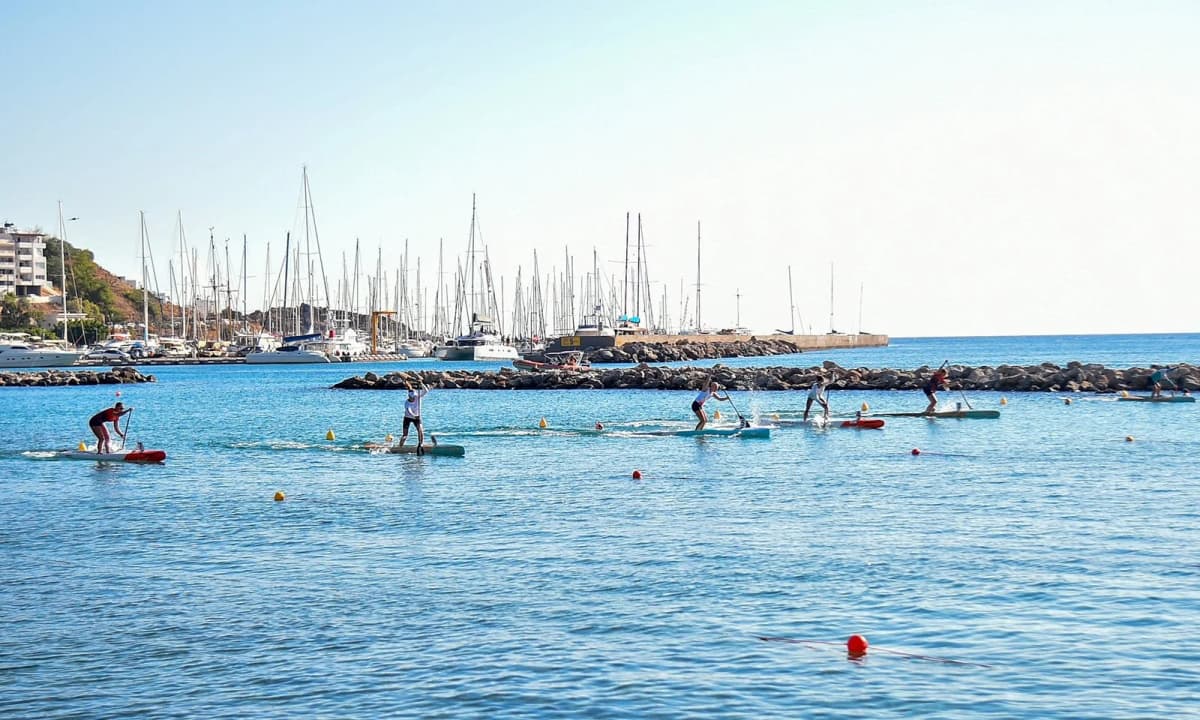
SUP World Cup Wraps Up in Crete with Sprint and Technical Racing
Following three days of Paddle Europe SUP Championship racing, international competition continued in Crete with the 2026 SUP World Cup, bringing another two days of high-level Sprint and Technical action to AGIOS NIKOLAOS ON SUP 2026.
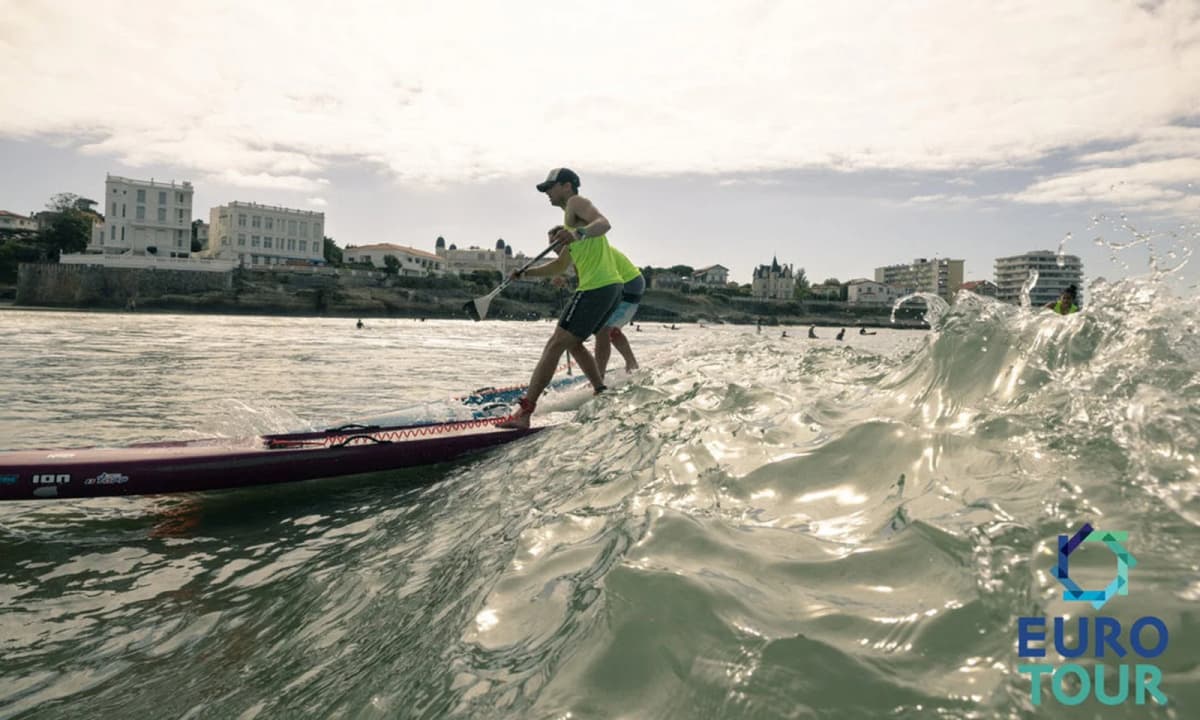
Eliott Bry and Mariecarmen Rivera Claim Victory at Weekend de la Glisse 2026
The 2026 EuroTour SUP season delivered another memorable stop in Royan, France, as the Weekend de la Glisse 5-Star event brought elite stand-up paddle racers together for a spectacular day of beach racing, waves and high-level competition.

Weekly Recap 09/22/2026
Welcome to the Supconnect Weekly Recap, our countdown of the Top 5 biggest news, reviews, interviews and features surrounding the world of Stand Up Paddleboarding.
Connect For TheLatest News
Receive the latest in stand up paddleboarding news, reviews, tips, giveaways and more.
One email a week. Unsubscribe anytime.